


Analyzing the Emerging Market for AI-Driven Energy Management Solutions
By Startup Korea Research Desk | May 16, 2026 The intersection of artificial intelligence (AI) and energy management is becoming increasingly significant as businesses and consumers alike seek innovative solutions to optimize energy consumption...

By Startup Korea Research Desk | May 16, 2026
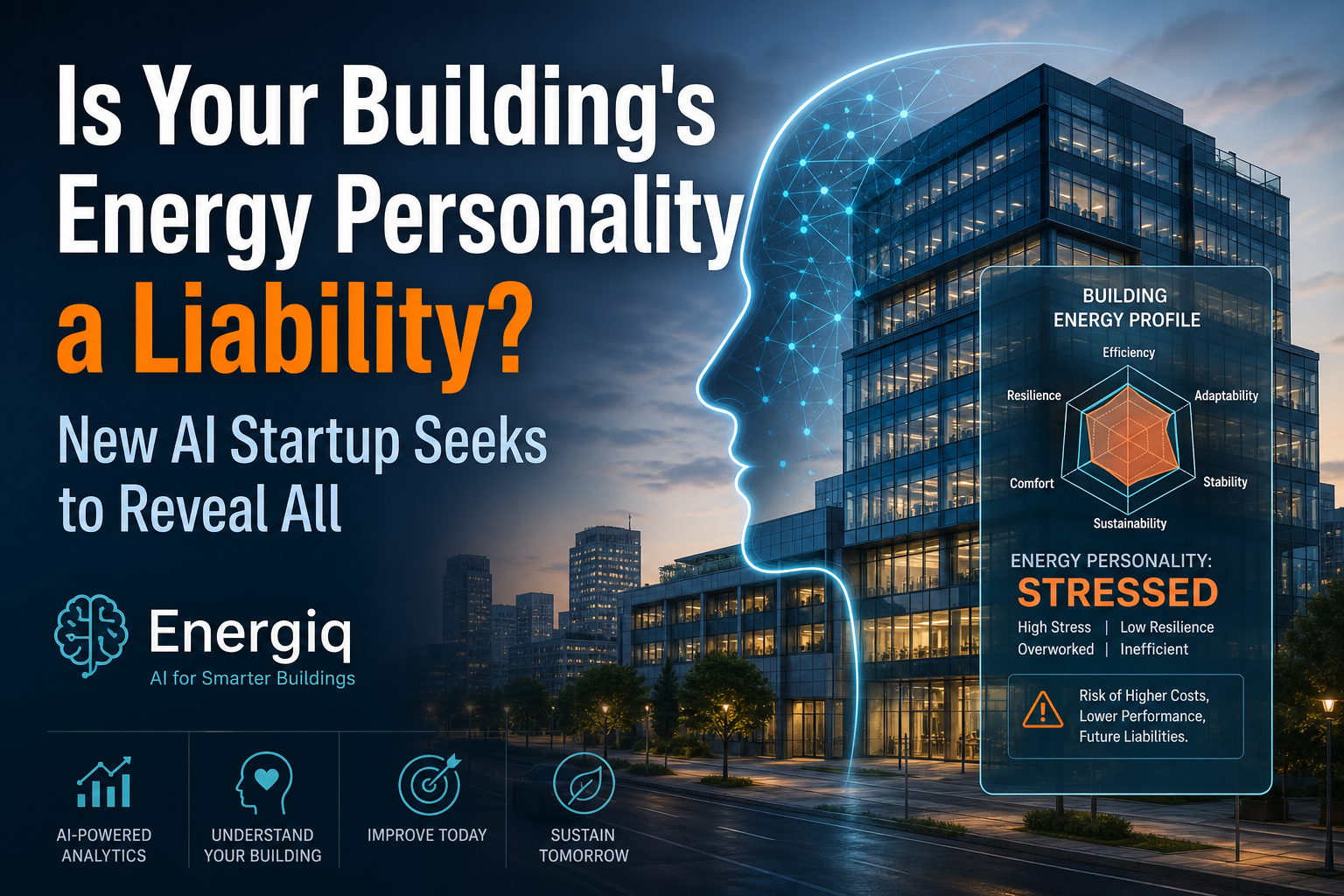
The intersection of artificial intelligence (AI) and energy management is becoming increasingly significant as businesses and consumers alike seek innovative solutions to optimize energy consumption and reduce costs. The emergence of startups focused on this niche, particularly those that leverage AI to analyze and enhance building energy efficiency, signals a transformative shift in the energy management landscape.
Understanding the Concept of Energy Personality
Recent developments in the sector have introduced the concept of 'energy personality' in buildings, suggesting that structures can exhibit unique energy consumption patterns akin to personality traits. This notion posits that buildings may respond differently to energy demands based on their design, usage, and environmental interactions. While this idea may initially seem unconventional, it reflects a growing trend in the industry to apply psychological frameworks to energy management.
The Role of AI in Energy Optimization
AI technologies are increasingly being integrated into energy management systems, allowing for advanced predictive analytics and real-time monitoring. By utilizing data from smart meters and IoT devices, AI can identify patterns in energy usage, predict peak demand periods, and recommend adjustments to optimize consumption. This capability not only enhances operational efficiency but also contributes to sustainability efforts by reducing waste and lowering carbon footprints.
Market Dynamics and Growth Potential
The global energy management market was valued at approximately $50 billion in 2023 and is projected to grow at a compound annual growth rate (CAGR) of 12% over the next five years. This growth is driven by several factors:
- Increased Demand for Sustainability: As organizations and governments prioritize sustainability, there is a heightened demand for solutions that can help reduce energy consumption and emissions.
- Technological Advancements: The integration of AI and machine learning into energy management systems is creating new opportunities for innovation and efficiency.
- Regulatory Pressures: Stricter regulations regarding energy consumption and emissions are prompting businesses to adopt smarter energy management practices.
- Cost Savings: Companies are increasingly recognizing the financial benefits of optimizing energy usage, leading to greater investment in energy management technologies.
Challenges and Adoption Risks
Despite the promising outlook, there are several challenges and risks associated with the adoption of AI-driven energy management solutions:
- Data Privacy and Security: The reliance on data collection and analysis raises concerns about privacy and the security of sensitive information.
- Integration with Existing Systems: Many organizations may face difficulties integrating new AI solutions with their existing energy management systems, leading to potential disruptions.
- Market Competition: As the market for AI-driven energy management solutions becomes more crowded, startups must differentiate themselves to attract investment and customers.
- Regulatory Compliance: Navigating the complex landscape of energy regulations can be challenging for new entrants, requiring diligence and expertise.
Investor Considerations
For investors, the burgeoning field of AI-driven energy management presents both opportunities and challenges. Diligence is crucial when evaluating potential investments in this space. Key factors to consider include:
- Technology Viability: Assessing the robustness and scalability of the technology being offered is essential to determine its long-term potential.
- Market Fit: Understanding the target market and the specific needs of customers can help gauge the likelihood of adoption and success.
- Founder's Expertise: The background and experience of the founding team can significantly impact the startup's ability to navigate challenges and execute its vision.
- Partnership Opportunities: Collaborations with established players in the energy sector can enhance credibility and provide access to valuable resources.
Strategic Approaches for Founders
For founders entering the AI-driven energy management space, developing a clear and compelling value proposition is critical. Strategies may include:
- Focusing on User Experience: Ensuring that the technology is user-friendly and provides actionable insights can enhance customer satisfaction and retention.
- Building Strategic Alliances: Partnering with energy providers, technology companies, and regulatory bodies can facilitate market entry and expansion.
- Investing in R&D: Continuous innovation and adaptation to market needs will be vital for staying competitive in this rapidly evolving landscape.
- Emphasizing Sustainability: Aligning the business model with sustainability goals can resonate with environmentally conscious consumers and investors.
As the energy management sector continues to evolve, the integration of AI technologies presents a significant opportunity for innovation and growth. Startups that successfully navigate the challenges and capitalize on the emerging trends are likely to play a pivotal role in shaping the future of energy consumption.
Editor's note: This is original market analysis and not investment advice.
What's Your Reaction?
 Like
0
Like
0
 Dislike
0
Dislike
0
 Love
0
Love
0
 Funny
0
Funny
0
 Angry
0
Angry
0
 Sad
0
Sad
0
 Wow
0
Wow
0