

Analyzing the Emergence of Distribution Solutions in the Post-Pandemic Economy
Analyzing the Emergence of Distribution Solutions in the Post-Pandemic Economy By Startup Korea Research Desk | May 03, 2026 In the wake of the COVID-19 pandemic, businesses have faced unprecedented challenges, particularly in the realm of suppl...

Analyzing the Emergence of Distribution Solutions in the Post-Pandemic Economy
By Startup Korea Research Desk | May 03, 2026
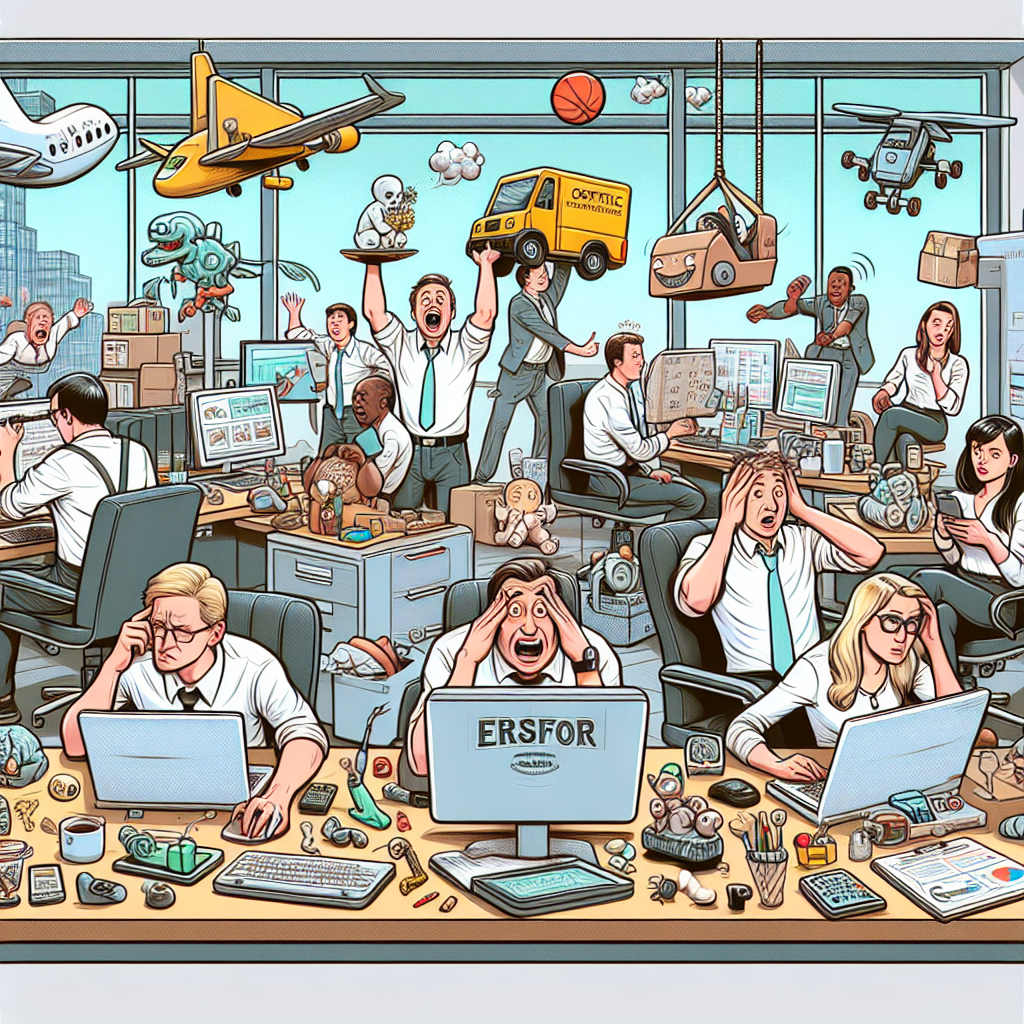
In the wake of the COVID-19 pandemic, businesses have faced unprecedented challenges, particularly in the realm of supply chain and distribution. The complexities of logistics have heightened stress levels among supply chain professionals, leading to what has been termed 'distribution anxiety.' This phenomenon has prompted the emergence of innovative solutions aimed at alleviating these pressures, as startups seek to capitalize on the growing demand for efficient distribution technologies.
The Rise of Distribution Anxiety
As businesses adapt to a post-pandemic environment, the need for reliable and efficient distribution channels has become increasingly critical. A recent study indicates that a significant percentage of supply chain managers report experiencing heightened stress related to distribution issues, including late deliveries and inventory mismanagement. This trend highlights a growing market opportunity for solutions that address these concerns.
Emerging Technologies in Distribution
Startups are now focusing on developing technologies that streamline logistics and enhance supply chain efficiency. One such innovation is the automation of data fabric, which utilizes advanced algorithms to optimize distribution processes. These platforms promise to reduce the operational burdens faced by supply chain professionals, allowing them to focus on strategic decision-making rather than day-to-day logistical challenges.
Market Trends and Business Models
The current landscape indicates a shift towards technology-driven solutions that prioritize efficiency and reliability. Startups are increasingly adopting subscription-based models, providing businesses with scalable solutions that can adapt to fluctuating demands. This approach not only offers a steady revenue stream for the startups but also allows clients to manage costs more effectively.
- Subscription Services: Many startups are offering tiered subscription models that provide varying levels of service, allowing businesses to choose a plan that best fits their operational needs.
- Integration with Existing Systems: Successful distribution technologies often emphasize compatibility with existing supply chain management systems, making it easier for businesses to adopt new solutions without overhauling their entire infrastructure.
- Data-Driven Insights: Startups are leveraging data analytics to provide actionable insights, helping businesses make informed decisions about inventory management and distribution strategies.
Investor Interest and Diligence
The growing concern over distribution challenges has not gone unnoticed by investors. Recent funding rounds in the sector have seen significant capital inflows from venture capitalists and sovereign wealth funds eager to support innovative solutions. However, investor diligence is crucial in this space, as the novelty of certain technologies may not always translate into long-term viability. Investors are advised to assess the scalability of the business model, the technological robustness of the solutions, and the team's ability to execute their vision.
Adoption Risks and Challenges
While the potential for growth in distribution technology is substantial, there are inherent risks associated with adoption. Businesses must navigate the complexities of integrating new technologies into their existing operations. Resistance to change, particularly in established companies, can hinder the successful implementation of innovative solutions. Furthermore, the rapid pace of technological advancement means that startups must continuously evolve their offerings to remain competitive.
Strategic Considerations for Founders
For founders in the distribution technology space, a clear understanding of market needs is essential. Engaging with potential customers to gather feedback during the development process can provide valuable insights that shape the final product. Additionally, building partnerships with established players in the supply chain ecosystem can enhance credibility and facilitate smoother market entry.
Conclusion
The emergence of distribution solutions in response to the challenges posed by the pandemic reflects a broader trend towards innovation in supply chain management. As businesses increasingly seek to mitigate distribution-related stress, the demand for effective technological solutions is likely to grow. Startups that can demonstrate a clear value proposition and adaptability in their offerings will be well-positioned to thrive in this evolving landscape.
Editor's note: This analysis is original market research and does not constitute investment advice.
What's Your Reaction?
 Like
0
Like
0
 Dislike
0
Dislike
0
 Love
0
Love
0
 Funny
0
Funny
0
 Angry
0
Angry
0
 Sad
0
Sad
0
 Wow
0
Wow
0