



Virtual Real Estate: How a Startup Plans to Resurrect Defunct Shops in the Metaverse
By StartupKorea Business Desk | Jun 04, 2026 Reviving the Retail Ghost Town: A Startup's Bold Venture into the MetaverseIn a move that has left analysts scratching their heads and investors frantically refreshing their portfolios, the start...

By StartupKorea Business Desk | Jun 04, 2026
Reviving the Retail Ghost Town: A Startup's Bold Venture into the Metaverse
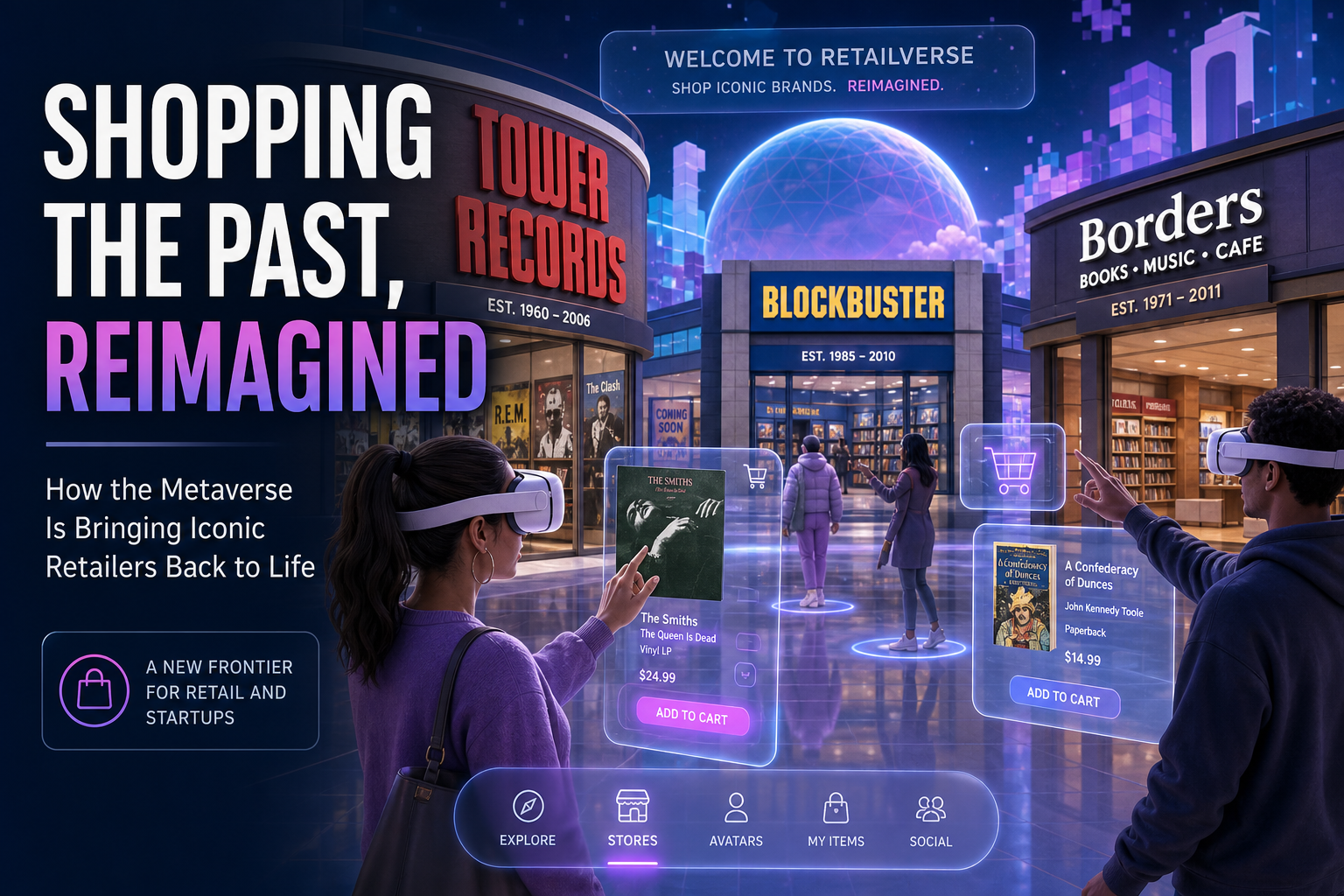
In a move that has left analysts scratching their heads and investors frantically refreshing their portfolios, the startup GhostShop Inc. announced plans to resurrect defunct retail spaces through an ambitious metaverse platform powered by a revolutionary data fabric automation system. The announcement, made on June 4, 2026, claims that the project will require an initial investment of $50 million, propelling the firm into the spotlight during a time when the retail sector is grappling with an existential crisis.
The Metaverse: Last Refuge for Retail?
As brick-and-mortar stores shutter at an alarming rate—averaging a 30% closure rate in the last two years—GhostShop Inc. aims to create a virtual haven for the stunted spirit of retail. CEO Fiona Moneymaker, who described the concept as “a digital phoenix rising from the ashes of consumerism,” claims that this platform will allow shoppers to experience the nostalgia of once-beloved shops, albeit through a screen.
“We’re not just selling products; we’re selling memories,” she stated, with a noticeable twinkle in her eye that could only be matched by a well-timed marketing campaign. “Our data fabric technology ensures that each shopping experience is tailored to the user's emotional baggage.”
Investors Jump on the Bandwagon
The investment community has reacted with a mix of enthusiasm and skepticism. Notable venture capitalist Harold Diligent has pledged $10 million, claiming that “the metaverse is the new frontier for retail, and we must capitalize on this digital gold rush.”
Yet, as the proverbial moths flock to the digital flame, other voices caution against the potential pitfalls of this brave new virtual world. Analyst Susan Pragmatica pointed out, “The idea of resurrecting dead stores is fascinating, but are consumers really yearning for a trip to the past?”
Market Context: The Numbers Speak Volumes
The metaverse has been projected to reach $800 billion by 2024, with virtual commerce contributing significantly to that figure. However, the actual consumer engagement in these spaces remains tenuous, with only 5% of U.S. consumers having made a purchase in the metaverse as of early 2026.
- Projected metaverse market value: $800 billion by 2024
- Current U.S. consumer engagement: 5%
- Average brick-and-mortar store closure rate: 30%
Risks and Constraints: The Virtual Reality Paradox
While the concept of a ghost town filled with virtual shops may be appealing to some, the risks associated with such an investment are profound. Consumer skepticism about the metaverse—enhanced by privacy concerns and an aversion to screen fatigue—could hinder its widespread acceptance.
Furthermore, the startup's dependence on a complex data fabric automation platform raises questions about scalability and user dependency. “What happens when consumers realize they’d rather shop in their pajamas at home than don a VR headset to relive their childhood shopping sprees?” mused industry expert Greg Foresight.
The Verdict: A Step Towards the Absurd?
In an era defined by innovation, GhostShop Inc. stands as a testament to how far the industry has strayed from traditional retail logic. As the marketplace evolves, it remains to be seen whether resurrecting the retail dead through a digital interface will prove to be a brilliant maneuver or a cautionary tale of hubris.
As consumer preferences shift and the retail landscape continues to morph, one thing remains clear: the ghosts of consumerism are alive and well in the metaverse—at least for now.
What's Your Reaction?
 Like
0
Like
0
 Dislike
0
Dislike
0
 Love
0
Love
0
 Funny
0
Funny
0
 Angry
0
Angry
0
 Sad
0
Sad
0
 Wow
0
Wow
0